The Science of Light

Photosynthesis for the Human Body

Clinical-grade photobiomodulation technology designed for home use. Discover how specific wavelengths of light awaken cellular energy, reduce inflammation, and restore biological rhythm.

"We evolved under the sun. Modern life took us indoors. We engineered the spectrum to bring the energy back."

Explore the Science

The Mechanism

How Light Becomes Energy

Photobiomodulation works through three interconnected biological pathways. Each mechanism contributes to cellular optimization and systemic wellness.

01
Recharging Your Foundation

Cellular Battery

Light photons penetrate tissue and are absorbed by cytochrome c oxidase in your mitochondria, unlocking the cell's ability to produce energy.

The Mechanism

Cytochrome C Oxidase Activation

660nm and 850nm photons dislodge nitric oxide from CCO, allowing oxygen to bind. This ramps up the electron transport chain, increasing ATP production by up to 150% in treated cells.
02
Calming the Internal Storm

The Inflammatory Flush

Controlled photonic stress triggers your body's adaptive response, building resilience while reducing chronic inflammation markers.

The Mechanism

Hormetic Stress Response

Brief exposure creates mild oxidative stress (hormesis) that activates NF-κB and AP-1 transcription factors. This modulates pro-inflammatory cytokines like IL-6 and TNF-α, reducing systemic inflammation.

03
Weaving New Architecture

Structural Repair

Enhanced circulation delivers oxygen and nutrients while activated fibroblasts rebuild the structural proteins that define youthful tissue.

The Mechanism

Fibroblast Activation & Angiogenesis

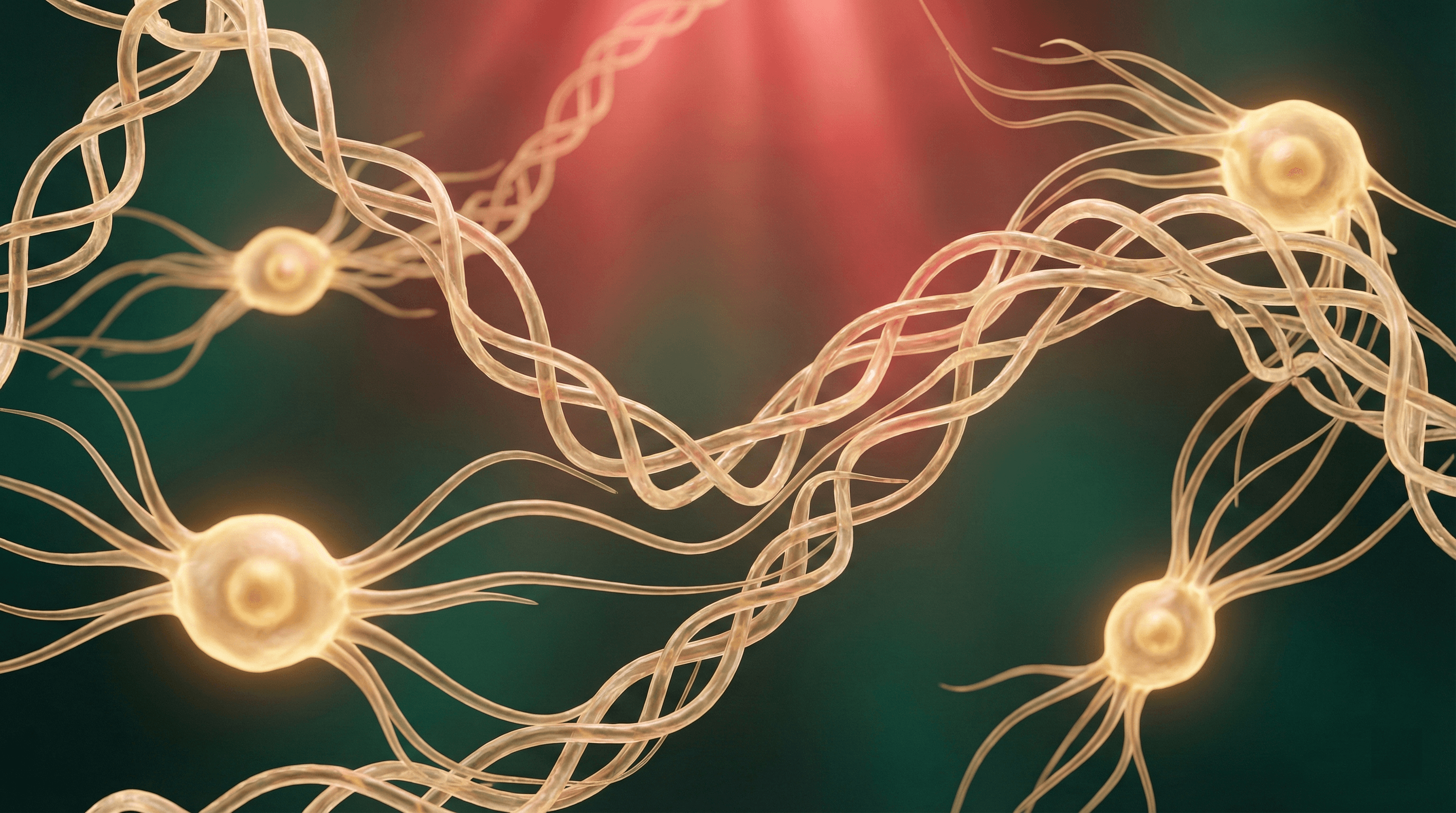
Red light stimulates fibroblast proliferation and collagen type I/III synthesis. NIR wavelengths promote VEGF release, increasing micro-circulation to treated areas by up to 30%.

Collagen synthesis visualization showing fibroblast activation and protein structure formation stimulated by red light therapy

The Science of Renewal

Collagen Synthesis in Action

Red light at 660nm penetrates to the dermis where fibroblasts reside. These cells, once activated, produce collagen types I and III—the structural proteins responsible for skin elasticity, wound healing, and tissue integrity.

150%

Increase in fibroblast activity

30%

More collagen production

The Bio-Spectrum

Eight Wavelengths. Full Therapeutic Coverage.

From surface skin rejuvenation to deep tissue penetration—explore how each wavelength targets specific biological processes.

Therapeutic Wavelength Spectrum

Click a peak to explore

630nm650nm660nm670nm810nm830nm850nm1060nm60070080090010001100Wavelength (nm)Visible RedNear-InfraredDeep Infrared
Surface (630-670nm)
Deep Tissue (810-850nm)
Frontier (1060nm)

The Verso Bio-Spectrum includes 8 therapeutic wavelengths: 630nm (surface rejuvenation, targets epidermis), 650nm (cellular repair, targets upper dermis), 660nm (collagen production, targets dermis with peak cytochrome c oxidase absorption), 670nm (circulation, enhances blood flow), 810nm (cognitive support, penetrates neural tissue), 830nm (joint and bone health, reaches connective tissue), 850nm (muscle recovery, penetrates deep muscle at 4-5cm), and 1060nm (deep tissue and metabolic support, penetrates 5-6cm+ to subcutaneous layer). Peak therapeutic irradiance occurs at 660nm and 850nm wavelengths, with 1060nm providing frontier deep-tissue penetration that most competitors do not offer.

Deep Dives

The Science, Unpacked

The Specification Check

How We Compare

Objective specifications. Third-party verified. See exactly how Verso devices measure against industry standards.

Specification Comparison

Objective specifications compared against industry standard panels. All measurements verified by third-party testing.

Peak Irradiance
Verso Light
180+mW/cm²
Industry Avg
~100mW/cm²
Wavelength Variety
Verso Light
8wavelengths
Industry Avg
2-4wavelengths
Includes 1060nm IR
Verso Light
Industry Avg
Rare
Third-Party Lab Tested
Verso Light
Industry Avg
Varies
Flicker Rate
Verso Light
0%
Industry Avg
Unknown
EMF at 6"
Verso Light
0.0µT
Industry Avg
0.0-0.5µT
FDA Classification
Verso Light
Class II
Industry Avg
Class II
Trial Period
Verso Light
60 days
Industry Avg
30-60 days
Restocking Fee
Verso Light
$0
Industry Avg
15-20%
Return Shipping
Verso Light
Free
Industry Avg
Customer Pays
Warranty
Verso Light
3 years
Industry Avg
1-2 years

* Industry standard values represent typical specifications across leading competitors. Individual products may vary. All Verso specifications verified by independent testing. View testing methodology →

Ready to Experience the Science?

60-day risk-free trial. Zero restocking fees. 3-year warranty. Try clinical-grade photobiomodulation with complete confidence.